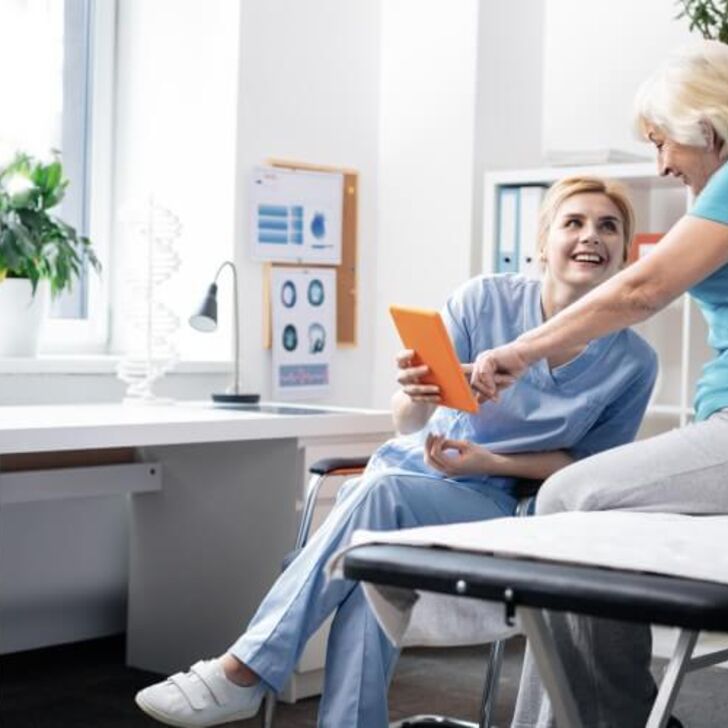
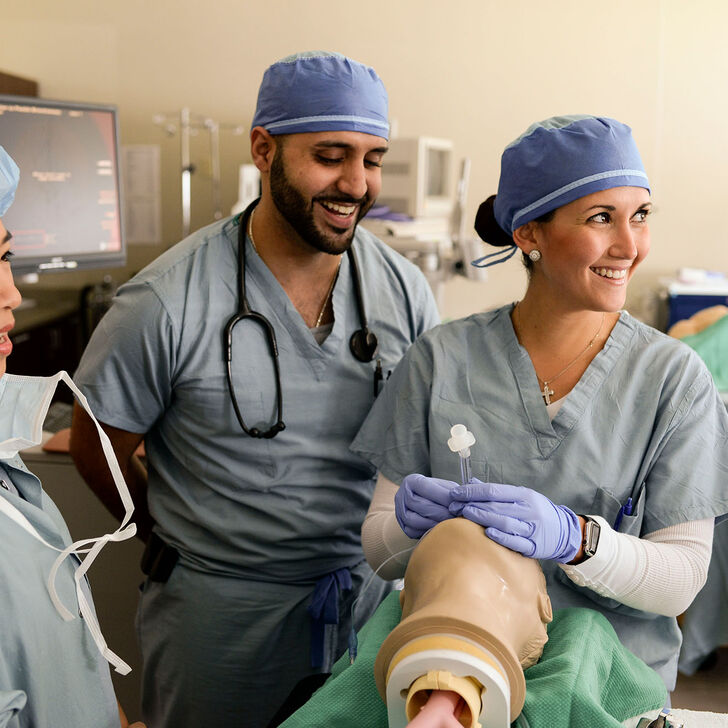
Registered nurses (RNs) perform many tasks throughout their shifts. While these responsibilities may tax them physically and mentally, the job is equally rewarding.
The joy and closeness one feels with their family and friends can still be achieved. Technology and social media have offered us a way of staying close no matter the physical distance between us.
Social media has become a popular tool among nurses and healthcare professionals who want to help educate patients — and stop the spread of misinformation — online.
Whether by choice or necessity, remote learning is becoming the new norm. Students were transported from the classroom to virtual meetings with little to no time to adapt or familiarize themselves with online platforms.
At a time when emerging technologies such as big data and artificial intelligence (AI) are challenging the fundamental notion of what a healthcare provider is, the battle to stop a worldwide pandemic reveals just how difficult ethical issues in healthcare
Public health and community health professionals may not work with patients directly, but they play an important role in creating healthcare plans and awareness campaigns.
The lesson Harvey-Rolfe learned from her experience with vicarious trauma was how important it is for people who care for victims of trauma to take care of themselves as well.
Nurses are exposed to a wide array of stressors, from unrealistic expectations from management to ethical decisions and end-of-life situations. These stressors can easily induce work-related psychological disorders, such as burnout and post-traumatic
A nurse’s primary job is to ensure that patients are safe and well cared for. Nursing supervisors have the added challenge of maintaining efficiency and adhering to process protocols while keeping up staff morale and engagement.